





inquiry
inquiry
Emission Control Device three-way Catalyst
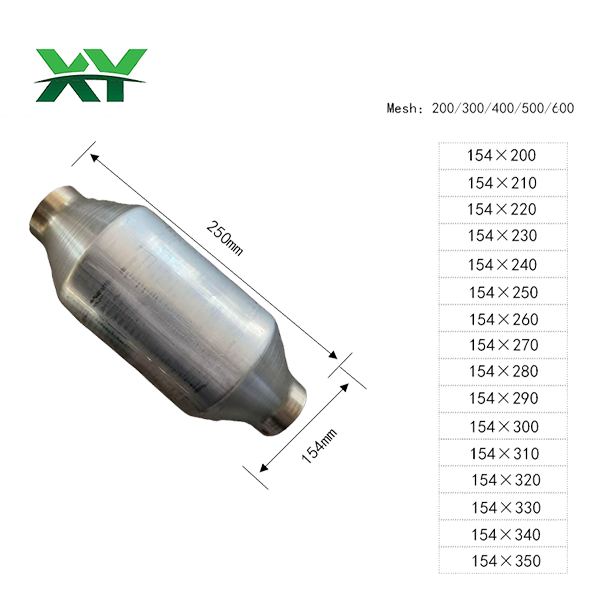
catalyst converter
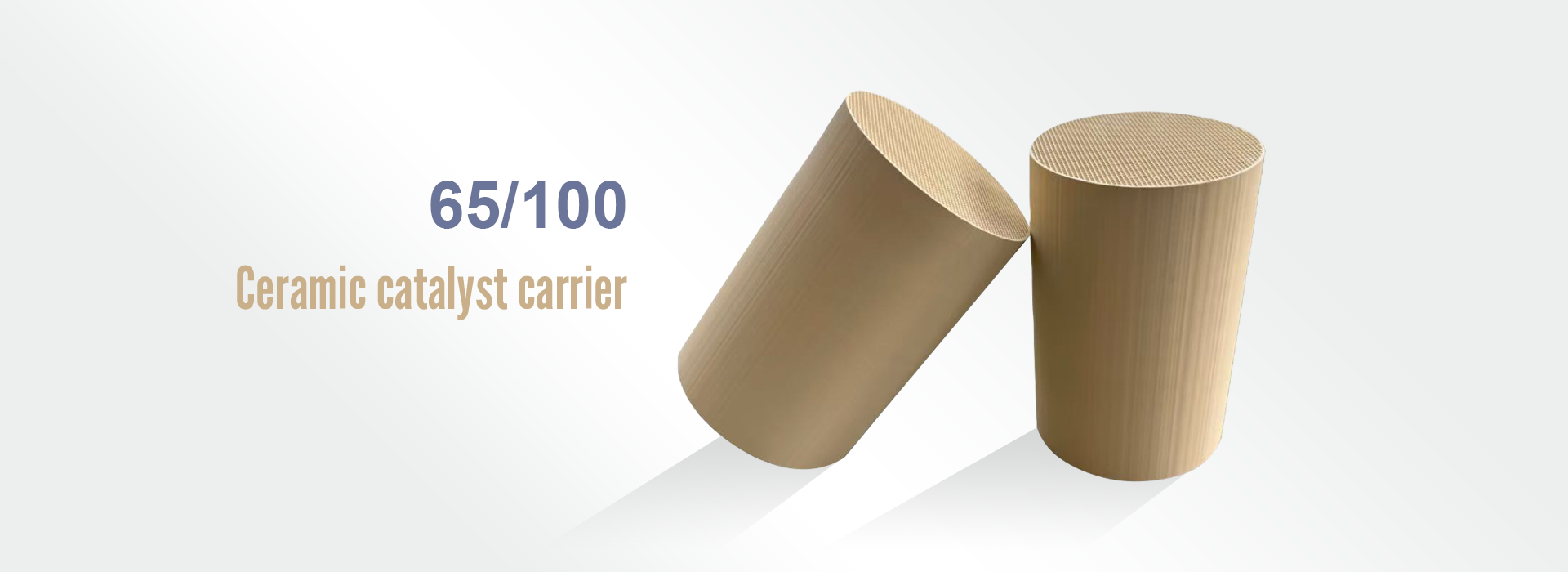
catalyst carrier
gaslyst
carrier converter
Speciflcations
wall thickness mm 1.2-2.0
conversion Rate % consult to the factory
Temperature of onset ℃ 200-400
Custom Processing   Yes Consult Factory
Compatible Vehicles   40-350
Item
Units
Technical Index
wall thickness
mm
1.2-2.0
conversion rate
%
consult to the factory
Temperature of onset
200-400
Custom Processing
yes
consult to the factory
Applications

Specific uses are as follows:

1.  Automotive Exhaust Treatment

• The primary application is installing catalytic converters in gasoline, diesel, and hybrid vehicles to treat harmful emissions from the engine.

• Converts:

• Carbon monoxide (CO) → to carbon dioxide (CO₂)

• Hydrocarbons (HC) → to water (H₂O) and carbon dioxide

• Nitrogen oxides (NOₓ) → to nitrogen (N₂)

2.  Complying with Environmental Regulations

• Used in vehicles that meet Euro V, Euro VI, and China VI emission standards.

• A key component for passing annual vehicle inspections and obtaining environmental certification.

3. Industrial Exhaust Treatment

• Catalytic converters are also used in some factories, combustion boilers, and diesel generator sets to purify industrial exhaust gases. 4.  Laboratory Gas Purification

• Small catalytic converters are also used in some laboratory equipment (such as gas chromatograph exhaust systems) to purify exhaust gases.

5. Preventing Catalyst Poisoning or Fire Risks

• Some catalytic converters also have protective functions, such as protecting the engine or other exhaust system components by controlling temperature or preventing the accumulation of toxic substances.


FAQ

a catalytic converter is an essential part of a vehicle's exhaust system. It helps lower the number of toxic pollutants emitted into the air by converting hazardous combustion gases into less harmful substances, like water vapor and carbon dioxide.  

This is done by exposing these fumes to chemicals and metals inside the converter to prompt chemical reactions that transform otherwise toxic pollutants into relatively harmless ones.


The three main functions of a catalytic converter are:

1. Converting carbon monoxide (CO) to carbon dioxide (CO₂).

Carbon monoxide is a toxic gas, and the catalyst oxidizes it into harmless carbon dioxide.

2. Converting hydrocarbons (HC) to carbon dioxide and water (H₂O).

Incompletely burned fuel (HC) is further oxidized by the catalyst, reducing ozone pollution and smog.

3. Reducing nitrogen oxides (NOₓ) to nitrogen (N₂) and oxygen (O₂).

The catalytic converter breaks down nitrogen oxides into harmless nitrogen and oxygen through a reduction reaction.


×
Your name
Your Email/whatsapp/wechat
Your telephone number
Your message/inqury here